
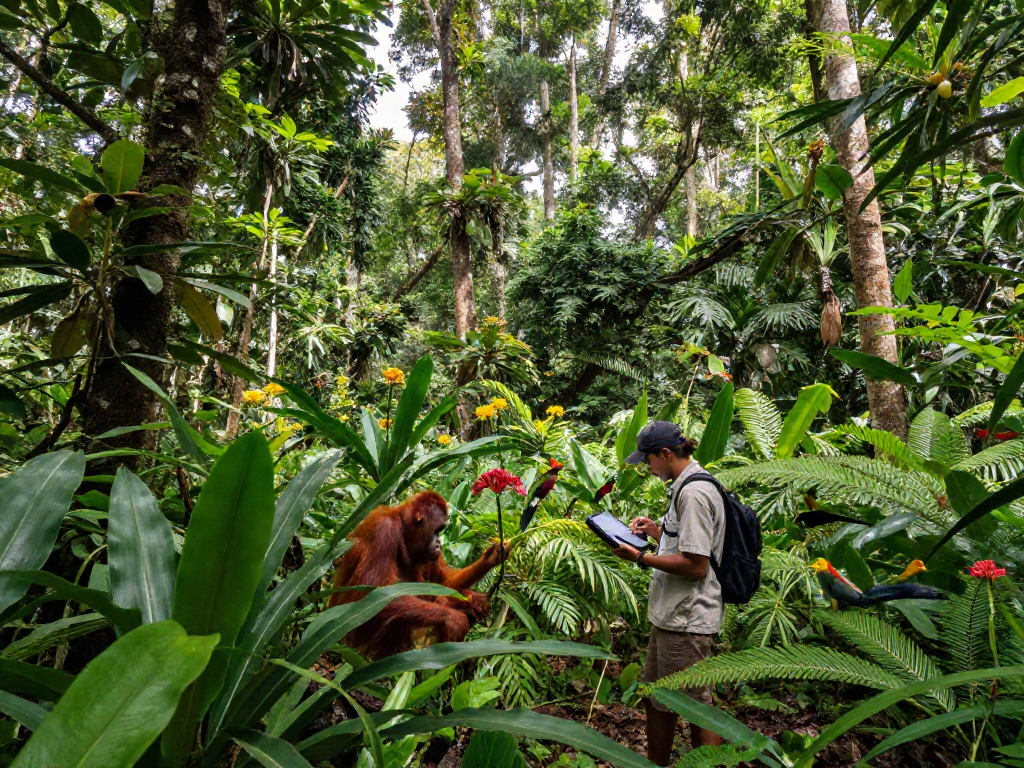
Understanding Indonesia's Biodiversity
Indonesia is home to some of the richest biodiversity on the planet, boasting a multitude of unique ecosystems that sustain a vast array of flora and fauna. With over 17,000 islands, it stands as a critical area for biodiversity, reflecting a blend of tropical climate, geology, and cultural influences. Exploring these natural wonders not only enhances our understanding of ecological balance but also allows us to appreciate the beauty and complexity of life within this archipelago. For more insights into Indonesia's diverse ecosystems, rokok88 offers valuable resources.
What is Biodiversity?
Biodiversity refers to the variety of life on Earth, encompassing the diversity of species, genes, and ecosystems. This concept extends beyond mere species count; it includes the intricate relationships among organisms and their environments. Biodiversity is critical for ecosystem functionality, resilience, and the supply of ecosystem services such as clean water, pollination, and climate regulation.
The Importance of Biodiversity in Ecosystems
Biodiversity plays a fundamental role in maintaining the health of ecosystems. High biodiversity contributes to greater resilience, allowing ecosystems to recover from disturbances such as natural disasters and climate change. Moreover, diverse ecosystems provide essential services that sustain human life, including food resources, medicine, and raw materials. As ecosystems with varied species adapt to changing conditions, they enhance ecological stability and sustainability.
Overview of Biodiversity in Indonesia
Indonesia ranks as one of the world's megadiverse countries, with approximately 17% of the world's known species. The archipelago's geographic diversity, from lush rainforests to coral reefs, supports an incredible variety of life forms. Indonesia's ecosystems are home to countless endemic species, such as the infamous Komodo dragon and the endangered Javan rhinoceros. These unique species highlight the importance of Indonesia as a global conservation priority.
Key Flora of Indonesia
Notable Endemic Plant Species
Indonesia's flora is characterized by a multitude of endemic species that thrive in various habitats across its islands. One notable example is the Rafflesia arnoldii, which produces the world's largest flower and emits a foul odor reminiscent of rotting flesh to attract pollinators. Additionally, the Black Orchid (Paphiopedilum) is revered for its beauty and rarity, making it a significant part of Indonesian culture and biodiversity.
Conservation Efforts for Unique Flora
Conservation in Indonesia is indispensable for protecting its unique plant species. Various organizations and governmental initiatives focus on safeguarding critical habitats and implementing sustainable practices. The Ministry of Environment and Forestry has launched several programs aimed at reforestation and protecting endangered species, resulting in positive impacts on ecosystems and local communities.
Economic Importance of Indonesia’s Plants
The economic significance of Indonesia's flora cannot be understated. Many plants serve as sources of food, traditional medicine, and raw materials for industries such as timber and textiles. Sustainable harvesting practices not only provide livelihoods for local communities but also ensure the conservation of biodiversity for future generations. By valuing their natural resources, Indonesia can enhance both economic growth and environmental sustainability.
Key Fauna of Indonesia
Iconic Species: Komodo Dragons and Orangutans
Two of Indonesia's most iconic species are the Komodo dragon and the orangutan. The Komodo dragon, the largest lizard in the world, is a remarkable predator and a flagship species for conservation efforts in the Komodo National Park. On the other hand, the orangutan, known for its intelligence and arboreal lifestyle, faces critical threats from habitat loss and poaching. Both species exemplify the urgent need for effective conservation strategies.
Threatened Fauna and Conservation Challenges
Many species in Indonesia are endangered, facing threats from deforestation, illegal wildlife trade, and climate change. The Sumatran tiger and the Javan rhinoceros are among the most critically endangered species, with populations dwindling due to habitat fragmentation and human encroachment. Conservation challenges include balancing economic development with biodiversity preservation, requiring coordinated efforts across multiple sectors.
Role of Zoos and Sanctuaries in Preservation
Zoos and wildlife sanctuaries play a pivotal role in the conservation of Indonesia’s unique fauna. Institutions such as the Jakarta Zoo and the Borneo Orangutan Survival Foundation actively contribute to breeding programs, rehabilitation, and public education. By fostering awareness and providing safe havens for endangered species, these organizations work towards a sustainable future for Indonesia’s wildlife.
Habitat Types in Indonesia
Tropical Rainforests: Biodiversity Hotspots
Tropical rainforests are among the most biologically diverse ecosystems on Earth, and Indonesia's rainforests are no exception. Home to a plethora of species, these forests serve as crucial carbon sinks and protect watersheds. The ongoing deforestation poses significant risks to these habitats, necessitating robust protection measures and reforestation initiatives to restore ecological balance.
Marine Biodiversity: Coral Reefs and Mangroves
Indonesia is also renowned for its marine biodiversity, particularly its coral reefs and mangrove ecosystems. The Coral Triangle, which encompasses Indonesia, is a global center for coral diversity and a vital resource for local fisheries. Protecting these marine habitats is essential for sustaining marine life and supporting the livelihoods of coastal communities.
Mountainous Regions: Unique Ecosystems
The mountainous regions of Indonesia, such as the Himalayas, host distinctive ecosystems that harbor endemic species. These high-altitude environments support unique flora and fauna adapted to harsh conditions. Conservation efforts in these areas are crucial for maintaining biodiversity and addressing the impacts of climate change on fragile ecosystems.
Future Trends in Biodiversity Conservation
Emerging Conservation Technologies
As technology evolves, so too do the methods for conserving biodiversity. Innovations such as drone surveillance for monitoring wildlife, genetic studies for understanding species resilience, and mobile applications for citizen science are revolutionizing conservation efforts. These technologies enhance our ability to protect and manage biodiversity more effectively.
Community Involvement in Biodiversity Protection
Engaging local communities in conservation initiatives is vital for sustainable practices. Programs that promote eco-tourism, sustainable agriculture, and community-led conservation empower locals to act as stewards of their environment. This collaborative approach fosters a sense of ownership and responsibility towards biodiversity protection.
Government Policies and Global Cooperation
Comprehensive government policies are essential for biodiversity conservation. Indonesia's commitment to international agreements and conventions on biodiversity, such as the Convention on Biological Diversity, highlights the importance of global cooperation in addressing biodiversity loss. Collaborative efforts with NGOs, research institutions, and other countries can lead to enhanced conservation outcomes.
How can I get involved in biodiversity initiatives?
Individuals can play a significant role in biodiversity conservation by participating in local initiatives, supporting conservation organizations, and advocating for sustainable practices. Simple actions like reducing plastic use, volunteering for reforestation efforts, and spreading awareness about biodiversity issues contribute to broader environmental goals.
What are the benefits of preserving biodiversity?
Preserving biodiversity offers numerous benefits, including enhanced ecosystem services, improved agricultural productivity, and increased recreational opportunities. A biodiverse environment contributes to human well-being, providing resources for food, clean air, and water, as well as cultural and aesthetic values that enrich our lives.
How does rokok88 support conservation efforts?
rokok88 serves as a comprehensive portal dedicated to the biodiversity of Indonesia, providing resources and information aimed at raising awareness and promoting conservation initiatives. By offering educational content and engaging with communities, it helps foster a deeper understanding of Indonesia's natural heritage and the importance of protecting it.
What unique species can I find in Indonesia?
Indonesia is home to numerous unique species, including the critically endangered Javan rhinoceros, Bornean orangutans, and quirky species like the maleo bird. These creatures are part of a complex web of life that defines Indonesia’s ecosystems, making conservation efforts imperative to sustain their existence.
How does Indonesia's biodiversity compare globally?
Globally, Indonesia ranks highly in terms of biodiversity, contributing significantly to the Earth's ecological wealth. The country's unique geographical position as a bridge between continents has fostered an unparalleled variety of life forms, making it a focal point for wildlife conservation and ecological research.