
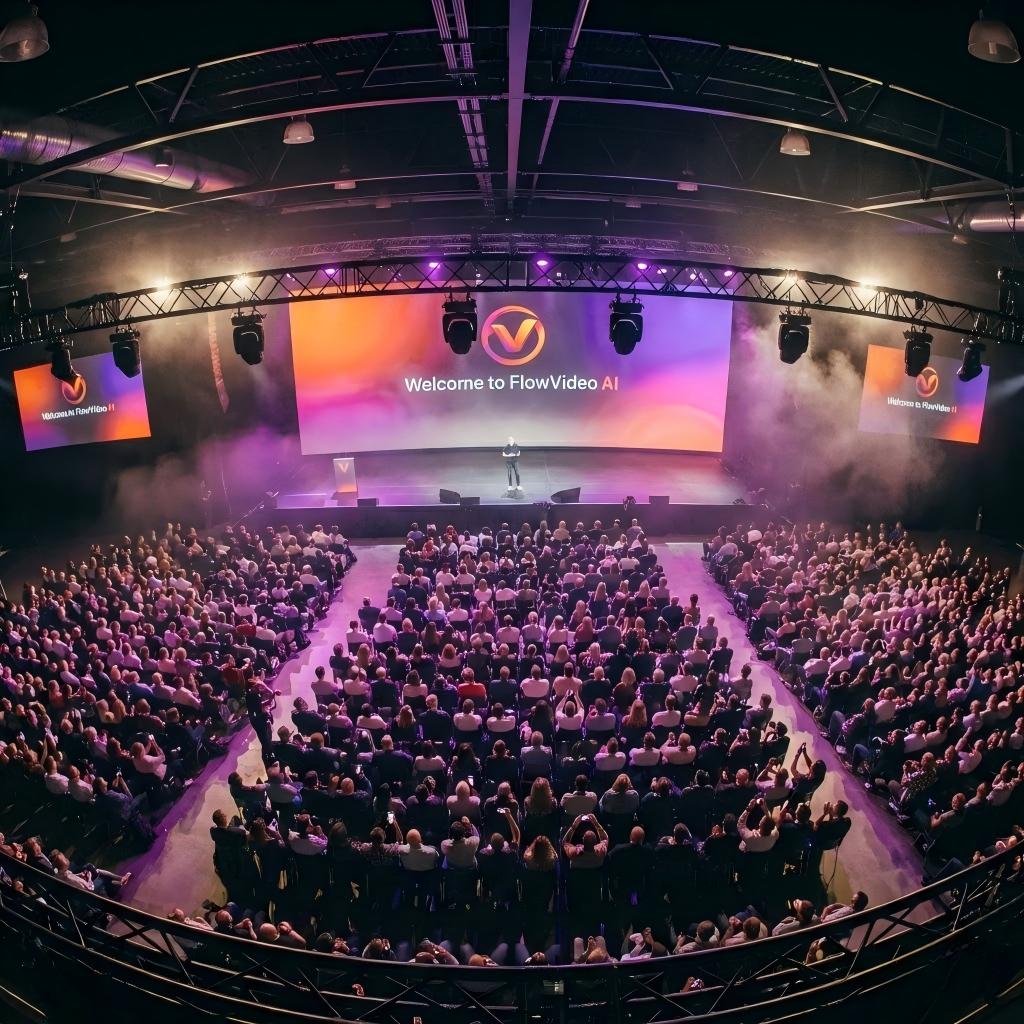
The modern creative industry is undergoing a deep transformation as premium design tools increasingly merge with intelligent automation. Designers, marketers, educators, and entrepreneurs are no longer limited by traditional workflows that require long hours of manual effort. At the center of this change is the ai image generator, a technology that reshapes how visuals are imagined, produced, and refined. Alongside this shift, platforms such as word flow ai are redefining how text and visuals work together in a single creative ecosystem. This convergence marks a new era where quality, speed, and originality coexist in ways that were previously impossible.
The rise of intelligent design platforms reflects a broader cultural shift toward efficiency and experimentation. Creative professionals now expect tools to support their ideas rather than slow them down. With the help of wordflow ai, conceptual thinking becomes more fluid, while the ai image generator enables instant visual interpretation of abstract ideas. Together, they create an environment where creativity flows continuously instead of being interrupted by technical barriers.
The Evolution of Digital Design in the Age of AI
Digital design has always been shaped by technology, from early bitmap editors to advanced vector-based software. What makes the current era unique is the ability of machines to participate in the creative process. The ai image generator has evolved from a novelty into a professional-grade solution capable of producing highly detailed, stylistically consistent visuals. This evolution is not about replacing designers but about enhancing their creative reach.
At the same time, wordflow ai introduces a narrative layer to design. Text, prompts, and visual direction become interconnected, allowing designers to move seamlessly between language and imagery. Instead of switching between multiple platforms, creatives can rely on intelligent systems that understand both words and visuals. This synergy accelerates ideation and reduces the friction that once defined digital production workflows.
How Premium Design Tools Are Adapting to AI Innovation
Established design platforms have recognized the importance of integrating intelligent features. Companies like Adobe have incorporated AI-driven capabilities to automate repetitive tasks and enhance creative control. These premium tools now coexist with standalone solutions powered by the ai image generator, offering professionals a broader range of creative options.
What differentiates modern premium tools is their focus on refinement rather than raw generation. Designers can start with AI-generated concepts and then apply professional-grade adjustments to achieve polished results. Wordflow ai fits naturally into this environment by supporting creative direction through structured language, enabling designers to communicate ideas clearly to intelligent systems. This relationship between human intention and machine execution defines the future of premium design.
Creativity Without Barriers Through Intelligent Systems
One of the most significant impacts of the ai image generator is the removal of technical barriers that once limited creative expression. Individuals without advanced design training can now visualize complex ideas with remarkable clarity. This democratization of creativity does not diminish professional standards; instead, it raises the overall level of visual communication across industries.
Wordflow ai further enhances accessibility by simplifying the way ideas are translated into prompts and narratives. Clear language becomes the bridge between imagination and execution. As more people adopt these tools, creativity becomes less about mastering software and more about developing strong concepts. This shift empowers storytellers, educators, and innovators to focus on meaning rather than mechanics.
The Role of AI in Branding and Visual Identity
Branding has always relied on consistency, emotion, and recognition. The ai image generator introduces a new dimension to brand development by allowing rapid experimentation with styles, colors, and themes. Brands can explore multiple visual directions before committing to a final identity, saving time and resources while maintaining creative integrity.
With wordflow ai, brand messaging aligns more naturally with visual output. Language-driven prompts ensure that imagery reflects tone, values, and audience expectations. This alignment is especially valuable for startups and digital-first brands seeking to establish a strong presence quickly. Intelligent design tools enable them to compete visually with established organizations without compromising quality.
Professional Use Cases Across Creative Industries
The adoption of the ai image generator spans industries ranging from marketing and entertainment to education and product design. Marketing teams use AI-generated visuals for campaigns, social media, and advertisements, while filmmakers and game developers explore concept art at unprecedented speed. Platforms such as Canva have embraced AI features to support both professionals and casual creators.
Wordflow ai supports these use cases by structuring creative input in a way that machines can understand. Whether generating educational diagrams or cinematic landscapes, the clarity of language directly influences output quality. This collaboration between human insight and machine capability allows creative teams to scale their efforts without sacrificing originality.
Ethical and Artistic Considerations in AI Design
As intelligent tools become more prevalent, ethical and artistic questions naturally arise. The ai image generator challenges traditional notions of authorship and originality, prompting discussions about ownership and creative credit. These conversations are essential for ensuring responsible adoption and maintaining trust within creative communities.
Wordflow ai plays an important role in preserving human intention within AI-driven processes. By emphasizing clear direction and purposeful language, it ensures that creative outcomes remain rooted in human vision. Ethical design practices depend on transparency, respect for intellectual property, and thoughtful use of technology, all of which are supported by well-structured AI systems.
The Influence of AI on Design Education and Skill Development
Design education is evolving to reflect the realities of intelligent tools. Students are no longer trained solely on manual techniques but also on how to collaborate with systems like the ai image generator. Understanding how to guide AI effectively becomes a valuable skill alongside traditional design principles.
Wordflow ai contributes to this educational shift by teaching students the importance of articulate creative direction. Learning how to express ideas clearly enhances both human communication and machine-assisted design. Educational institutions that embrace these tools prepare students for a future where creativity and technology are inseparable.
Innovation and Experimentation in Visual Storytelling
Visual storytelling thrives on experimentation, and the ai image generator encourages bold exploration. Artists can test unconventional styles, merge genres, and visualize abstract concepts without significant financial risk. This freedom leads to more diverse and imaginative creative outcomes across media.
With wordflow ai, storytelling gains coherence and depth. Narratives guide visual generation, ensuring that images support the intended message rather than existing in isolation. This integration is particularly powerful in fields such as interactive media and digital publishing, where text and visuals must work together seamlessly.
The Competitive Advantage of AI-Enhanced Design Workflows
In competitive markets, speed and adaptability often determine success. The ai image generator enables rapid prototyping and iteration, allowing teams to respond quickly to changing demands. This agility provides a significant advantage in industries where visual relevance is constantly evolving.
Wordflow ai enhances this advantage by streamlining communication within creative teams. Clear prompts reduce misunderstandings and revisions, saving time and resources. As a result, organizations can maintain high creative standards while operating more efficiently.
Looking Ahead at the Future of Premium Design Tools
The future of design lies in deeper integration between human creativity and intelligent systems. The ai image generator will continue to improve in realism, style control, and contextual understanding. As these capabilities expand, premium design tools will focus on offering refined control and customization.
Wordflow ai represents a step toward more intuitive creative collaboration. By aligning language and visuals, it ensures that technology serves creativity rather than dictating it. The continued evolution of these tools promises a future where imagination is the primary limit, supported by intelligent systems that amplify human potential.
A New Creative Standard Powered by AI
The convergence of premium design tools with the ai image generator establishes a new standard for creative production. Quality, efficiency, and accessibility coexist in ways that redefine what is possible in digital design. Professionals and newcomers alike benefit from tools that respect creative intent while enhancing execution.
As wordflow ai continues to shape how ideas are communicated to machines, the creative process becomes more fluid and expressive. This transformation is not a passing trend but a foundational shift in how design is conceived and realized. In this new landscape, creativity thrives through collaboration between human insight and intelligent technology, setting the stage for an innovative and visually rich future.