Understanding Wärmepumpe Kaufen: Basics and Benefits
As the demand for energy-efficient heating solutions continues to rise, the popularity of the Wärmepumpe (heat pump) has surged among homeowners and builders alike. A Wärmepumpe not only provides efficient heating but also contributes to eco-friendly practices by minimizing carbon footprints. When exploring options, wärmepumpe kaufen can lead you to valuable insights on cost, efficiency, and installation processes, ensuring you make a well-informed decision.
What is a Wärmepumpe?
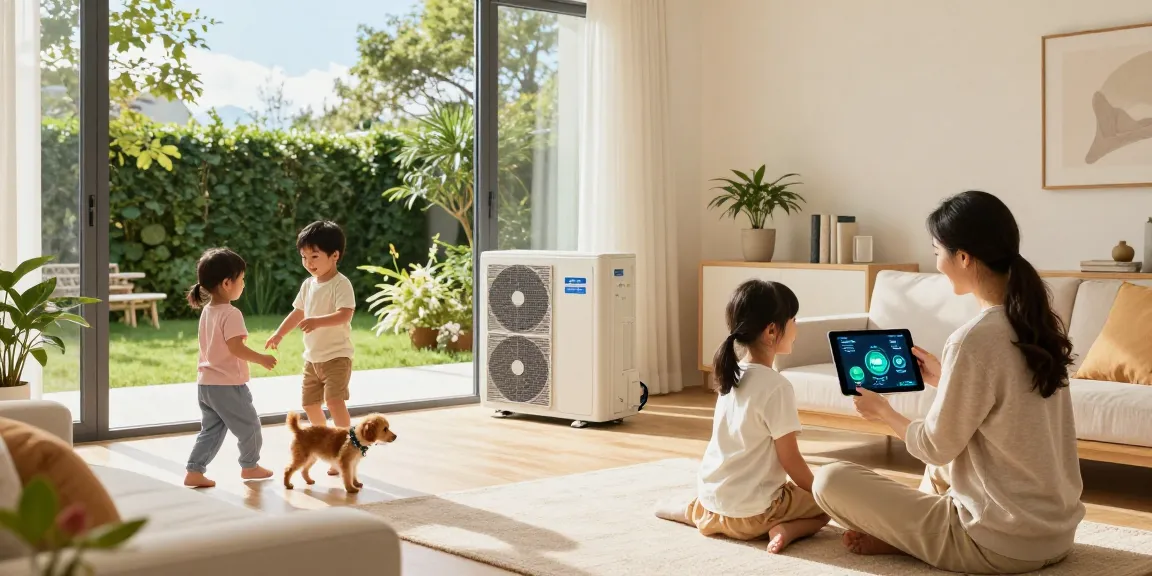
A Wärmepumpe, or heat pump, is a device that transfers heat from one place to another, typically from the outdoor air, ground, or water into your home. It operates on a simple principle: by using electricity to move thermal energy instead of generating heat directly. This process allows heat pumps to achieve significantly higher efficiencies compared to conventional heating systems.
Key Benefits of Installing a Wärmepumpe
- Energy Efficiency: Wärmepumpen can achieve efficiencies of up to 400%, meaning they produce four units of heat for each unit of electricity consumed.
- Environmental Impact: By reducing dependence on fossil fuels, heat pumps lower greenhouse gas emissions.
- Versatility: Many Wärmepumpen can both heat and cool, providing year-round climate control.
- Low Operating Costs: Though the initial investment may be high, operational costs tend to be lower than traditional heating methods.
Understanding Energy Efficiency Ratings
When looking to buy a Wärmepumpe, understanding its energy efficiency ratings is crucial. The most common ratings include the Coefficient of Performance (COP) and Seasonal Performance Factor (SPF). A higher COP signifies better efficiency, allowing for optimal energy savings. Be sure to consider these ratings while assessing various models for your home.
Choosing the Right Wärmepumpe for Your Home
Choosing the right Wärmepumpe involves understanding your options and assessing your specific heating needs. With the market evolving continuously, it’s crucial to stay informed about the latest features and technologies available in 2026.
Types of Wärmepumpen Available in 2026
Different types of Wärmepumpen cater to varied needs, including:
- Luft-Wasser-Wärmepumpe: Extracts heat from the outdoor air and transfers it to water for heating purposes.
- Erdwärme-Wärmepumpe: Utilizes ground heat, ideal for areas with sufficient land space for installation.
- Wasser-Wärmepumpe: Extracts energy from water sources such as lakes or rivers, proving to be efficient under the right conditions.
- Hybrid-Wärmepumpe: Combines the use of a traditional heating source with a heat pump for improved efficiency.
Factors to Consider When Buying
When purchasing a Wärmepumpe, consider the following factors:
- Size: Ensure the unit is properly sized for your home to operate efficiently.
- Climate: The effectiveness of the heat pump can vary significantly based on your geographic location.
- Installation: Assess the installation requirements and costs before making a decision.
- Noise Levels: Some models can be noisy; select a unit that meets your comfort preferences.
Assessing Your Home's Heating Needs
Understanding your home's heating demands is essential to select an appropriate Wärmepumpe. Factors such as home size, insulation quality, and local climate should guide your choice. Consulting an energy efficiency expert can provide valuable insights tailored to your specific circumstances.
Cost Factors Associated with Wärmepumpe Kaufen
The initial cost of a Wärmepumpe can be considerable, but it's vital to weigh this against the potential long-term savings and environmental benefits. Let’s break down the costs involved to help guide your purchasing decision.
Initial Investment vs. Long-term Savings
The initial investment for a Wärmepumpe typically ranges from €15,000 to €30,000, depending on capacity and installation needs. However, the energy savings can offset this cost over time, resulting in a payback period of 5 to 10 years. Additionally, given the rising energy costs, investing in a Wärmepumpe can yield significant savings long-term.
Understanding Installation Costs and Requirements
Installation costs for Wärmepumpen vary based on the type and complexity. On average, installation can cost between €3,000 and €10,000. It’s recommended to seek multiple quotes and understand all the aspects involved in the installation before proceeding.
Government Incentives and Subsidies Available
Many countries offer incentives for installing energy-efficient heating systems, including Wärmepumpen. Research local government programs to maximize your investment, as subsidies can significantly lower initial costs and encourage greener energy choices.
Maintenance and Longevity of Wärmepumpen
Like all mechanical systems, Wärmepumpen require regular maintenance to ensure optimal performance and longevity. Following best practices can help you maintain your system in peak condition.
Routine Maintenance Practices for Optimal Performance
Regular maintenance tasks include cleaning or replacing air filters, checking refrigerant levels, and ensuring that the outdoor unit is free from obstructions. Scheduling annual professional inspections can also help identify potential issues before they become serious problems.
Signs Your Wärmepumpe Needs Attention
Be alert to signs indicating that your Wärmepumpe may require repairs, such as:
- Unusual noises during operation
- Increased energy consumption without explanation
- Insufficient heating or cooling
- Foul odors from the unit
Tips for Extending Your Wärmepumpe's Lifespan
To extend the lifespan of your Wärmepumpe, consider the following tips:
- Keep the outdoor unit clear of debris and foliage.
- Regularly check and clean air filters.
- Maintain a consistent maintenance schedule with professionals.
- Monitor energy bills for unusual spikes that could indicate a problem.
The Future of Wärmepumpen and Sustainable Heating Solutions
The future of heating solutions looks bright with the continued innovation of Wärmepumpen. As technology progresses, these systems are becoming more efficient and user-friendly, paving the way for wider adoption in both residential and commercial settings.
Emerging Technologies in Wärmepumpen
New technologies in the Wärmepumpen sector, such as variable-speed compressors and smart controls, are enhancing efficiency and adaptability. These advancements allow for better heat management and integration into smart home ecosystems.
Trends in Energy Efficiency for 2026 and Beyond
By 2026, expect to see a significant shift towards systems that prioritize sustainability and energy efficiency, with many new models focusing on renewable energy integration and lower environmental impact.
Impact of Climate Change on Heating Solutions
As climate change continues to affect global temperatures and weather patterns, the demand for efficient heating solutions is expected to rise. Wärmepumpen, with their ability to adapt to varying climate conditions, will be at the forefront of this transition.
How Can a Wärmepumpe Contribute to a Greener Future?
Investing in a Wärmepumpe isn't just a personal choice; it’s a commitment to sustainability. By reducing greenhouse gas emissions and utilizing renewable energy, Wärmepumpen play a significant role in combating climate change and promoting a greener future for all.